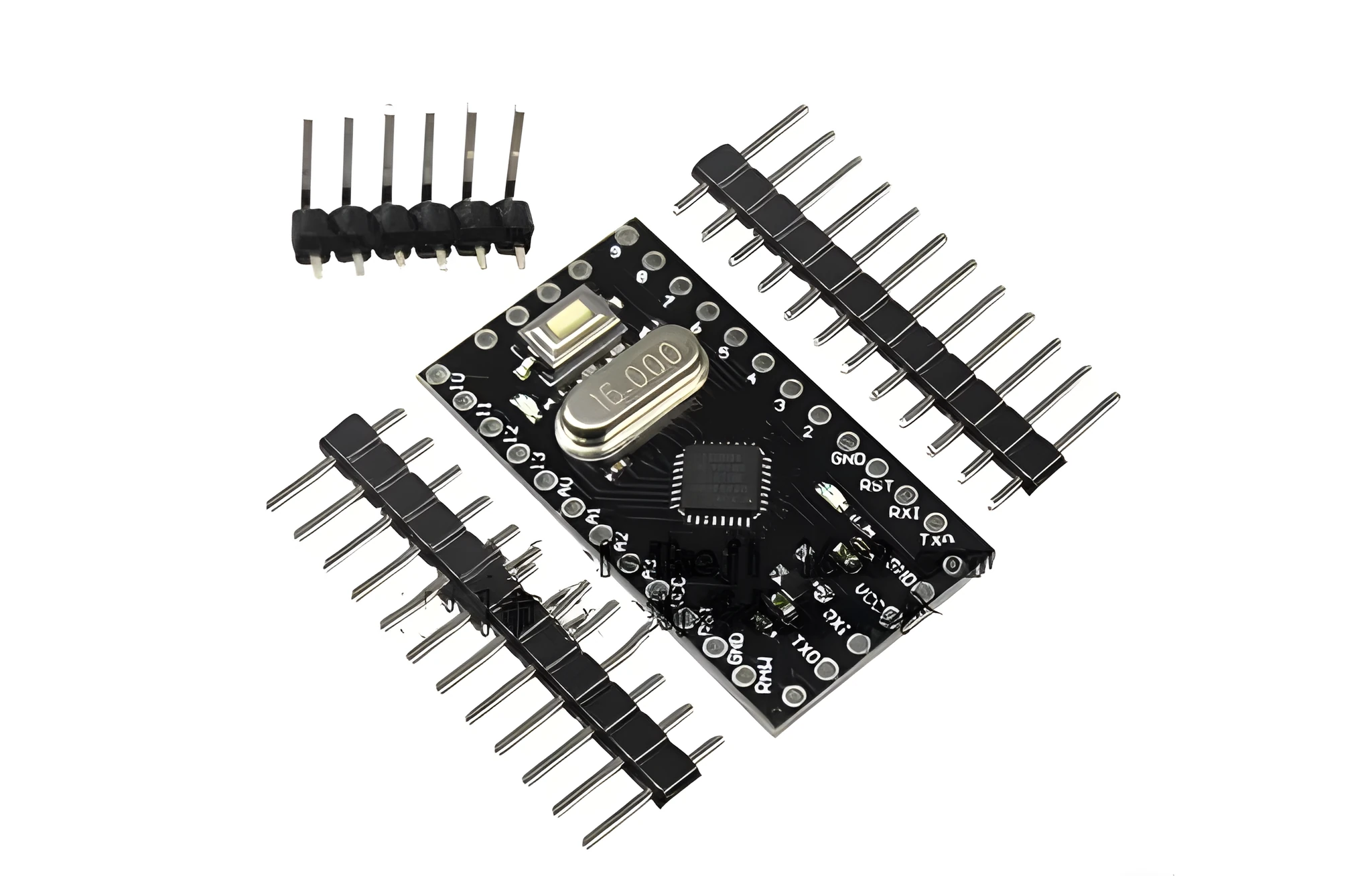
Mini Pro ATMEGA328P microcontroller circuit board electronic building block template with 14 digital I/O pins 8 analog inputs 6 PWM outputs 16MHz clock frequency for DIY electronics prototyping and Arduino compatible projects


Mini Pro ATMEGA328P microcontroller circuit board electronic building block template with 14 digital I/O pins 8 analog inputs 6 PWM outputs 16MHz clock frequency for DIY electronics prototyping and Arduino compatible projects
Mini Pro ATMEGA328P microcontroller circuit board with 14 digital I/O 8 analog inputs for DIY electronics projects
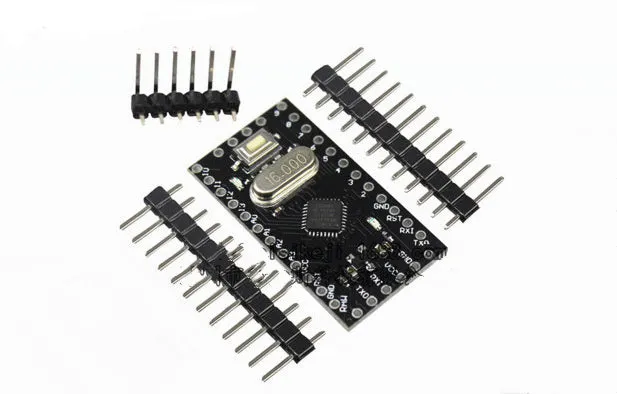
The Mini Pro electronic building block template represents a professional version microcontroller circuit board designed for electronics enthusiasts, makers, and prototyping applications. Built around the established Atmel Atmega328P-AU microcontroller, this compact board provides comprehensive input/output capabilities in a small 33.3mm by 18.0mm form factor. With its combination of 14 digital pins, eight analog inputs, six PWM outputs, and 16MHz operating frequency, it serves as a versatile foundation for various electronic projects, from simple automation systems to complex interactive installations. The board's compatibility with serial downloads and flexible power supply options (3.3V-12V DC) makes it suitable for both beginner and intermediate electronics work, offering a balanced feature set without unnecessary complexity.
Features and Construction

The Mini Pro circuit board integrates multiple electronic interfaces and components into its compact design, providing a complete microcontroller platform ready for project implementation. This section examines the board's physical construction and technical specifications that define its capabilities for electronics prototyping and DIY applications.
Material and Build
The board's core component is the Atmel Atmega328P-AU microcontroller, which handles all processing tasks and program execution. This established microcontroller chip provides reliable performance for a wide range of electronic applications. The circuit board itself includes mounting hole pin headers that allow secure physical installation within project enclosures or mounting frames. A reset button enables convenient system restarts without requiring power cycling, while the integrated 16MHz resonator ensures stable timing and clock frequency for precise operations. These components work together to create a self-contained microcontroller platform suitable for various electronics projects.
Size and Practical Fit
Measuring just 33.3mm by 18.0mm, the Mini Pro maintains a compact footprint that fits easily into space-constrained projects and enclosures. This small size allows integration into portable devices, wearable electronics, or projects where board dimensions directly impact the final product design. Despite its modest dimensions, the board accommodates all essential connections including the 14 digital I/O pins, eight analog inputs, and power terminals. The included mounting hole pin headers provide options for securing the board within project cases or to other components, ensuring stable installation even in mobile applications or environments with vibration.
Uses and Placement

The Mini Pro microcontroller board supports a broad spectrum of electronics applications through its combination of digital and analog interfaces. This section explores practical implementation scenarios ranging from professional prototyping to everyday hobbyist projects, highlighting how the board's specific features address different use cases.
Event or Professional Use
For professional applications and event installations, the board's 14 digital input/output ports (designated RX, TX, and D2 through D13) enable connection to various sensors, displays, and control interfaces. The six PWM-capable pins (D3, D5, D6, D9, D10, D11) allow precise control of motors, lighting systems, and other devices requiring variable output signals. The TTL level serial port transceiver (RX/TX) facilitates communication with other microcontrollers, computers, or serial devices, making the board suitable for distributed systems and networked installations. These features combine to create a microcontroller platform capable of handling interactive displays, automated controls, and monitoring systems in professional environments.
Everyday Home Use
In home electronics and hobbyist projects, the eight analog input ports (A0 through A7) enable connection to various sensors for temperature, light, sound, and other environmental measurements. The board's support for external DC power supplies ranging from 3.3V to 12V, including 9V battery operation, provides flexible power options for portable or temporary installations. Serial download capability allows straightforward programming and updates using common development tools, while the comprehensive pin labelling (both digital and analog) simplifies wiring and connection tasks. These characteristics make the board accessible for electronics beginners while still offering sufficient capability for more advanced home automation and DIY projects.
Benefits and Buying Value
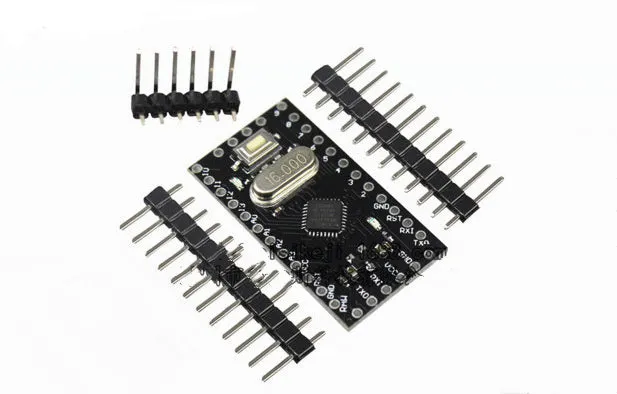
The Mini Pro microcontroller board delivers practical advantages through its balanced feature set and straightforward implementation requirements. This section examines how the board's specific characteristics translate to user benefits and project success across different application scenarios.
Reuse and Low Maintenance
The board's modular design and standardised connections support project reuse and modification without requiring complete system rebuilds. Mounting hole pin headers enable secure attachment within project enclosures while still allowing board removal for upgrades or reuse in different applications. The reset button provides a simple method for restarting the system during development or troubleshooting, reducing frustration when testing new code or configurations. These features contribute to a development experience where components can be repurposed across multiple projects, maximising the value of the initial investment in the microcontroller platform.
Why Choose This Product
The Mini Pro board offers a balanced combination of digital and analog interfaces in a compact form factor, providing sufficient capability for most intermediate electronics projects without unnecessary complexity or cost. The inclusion of 14 digital I/O pins (with six supporting PWM output) alongside eight analog inputs creates a versatile platform for both digital control systems and analog sensor applications. The 16MHz operating frequency ensures responsive performance for timing-critical applications, while the flexible power supply options (3.3V-12V DC) accommodate various project power sources. These characteristics position the board as a practical choice for electronics enthusiasts seeking a capable microcontroller foundation without excessive specialised features they might never utilise.