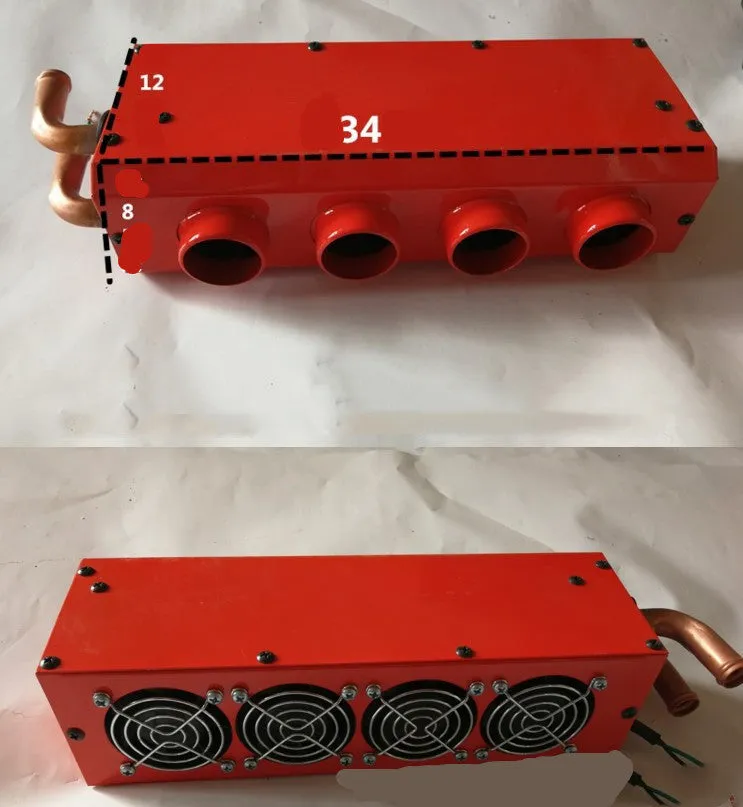
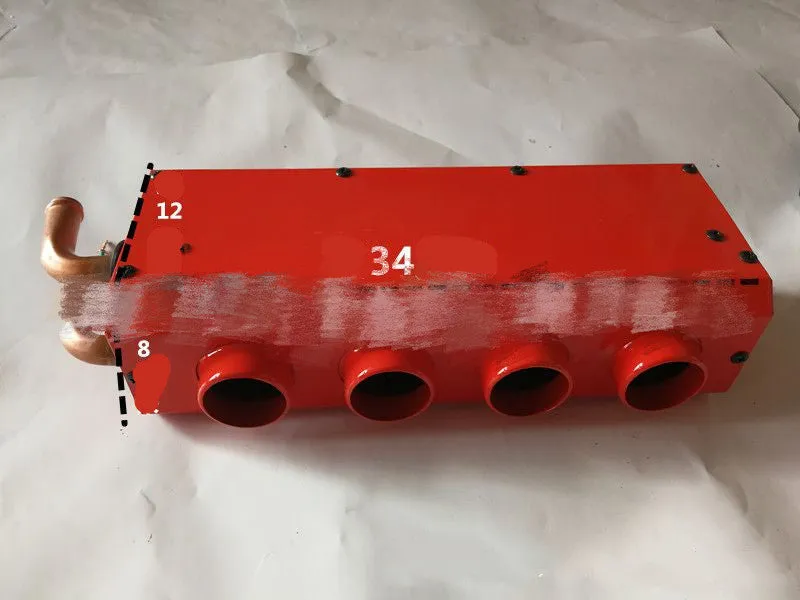
Car heater with long small four hole copper pipe, metal 12V 24V 60W heating device, manual control 34x12x8 cm auxiliary heater using engine coolant waste heat for cab and windscreen defrosting.


Car heater with long small four hole copper pipe, metal 12V 24V 60W heating device, manual control 34x12x8 cm auxiliary heater using engine coolant waste heat for cab and windscreen defrosting.
12V 24V Car Heater with Copper Pipe Core for Cab Heating and Windscreen Defrosting
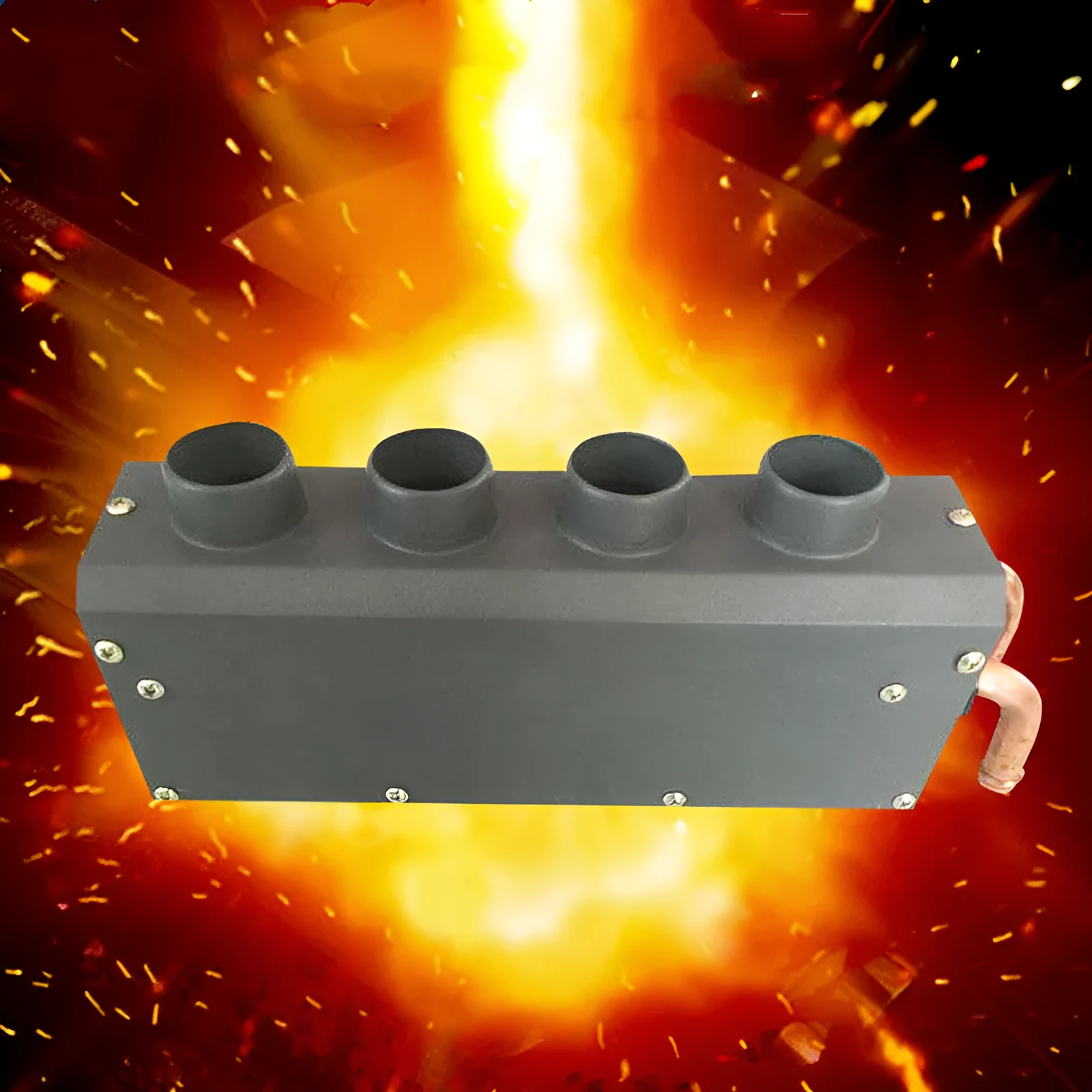
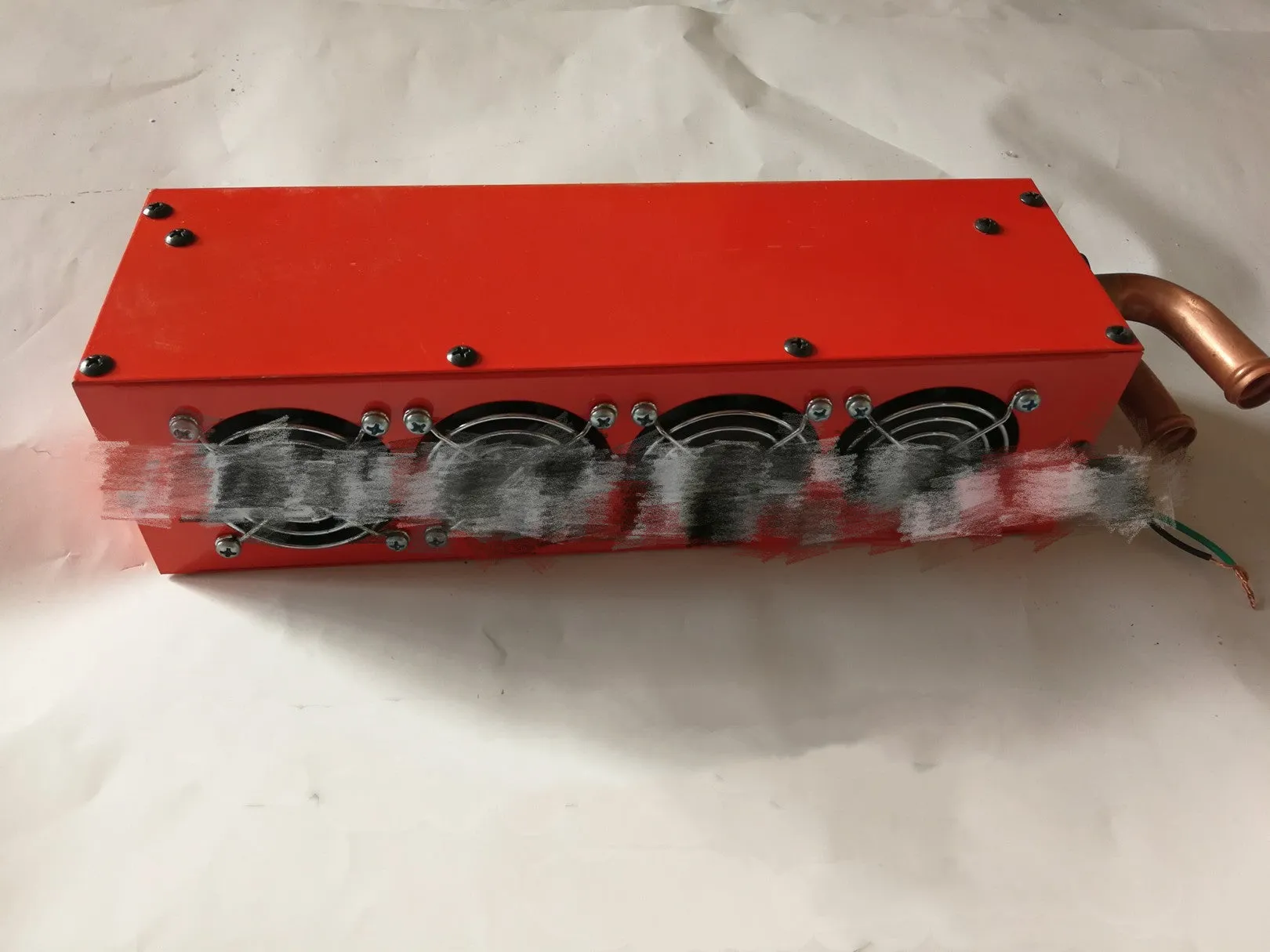
This auxiliary car heater provides a practical solution for increasing warmth inside your vehicle. It operates by tapping into a resource your car's engine already produces: waste heat from the cooling system. By connecting into the coolant circuit, this metal unit with its copper pipe heat exchanger captures that thermal energy and uses a DC-powered blower to deliver it into the cabin. This process offers a continuous source of heat whenever the engine is running, which can significantly improve comfort during cold weather and help keep the windscreen clear of ice and condensation. The heater is manually controlled, giving you direct command over its operation, and its compact 34x12x8 cm dimensions are designed to fit within the constraints of a vehicle's engine bay.
Features and Construction
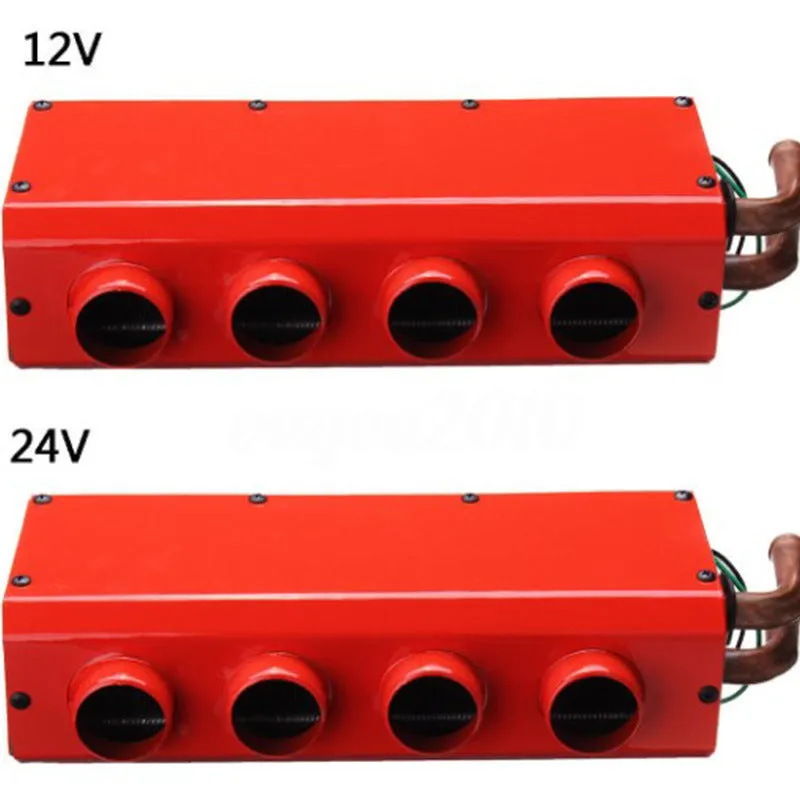
This car heater is built around a specific set of components designed for integration into a vehicle's existing systems. Its construction prioritises functionality and heat transfer efficiency to make the most of the available engine coolant.
Material and Build
The heater's primary construction material is metal, providing a robust housing for the internal components. The key element for performance is the heat exchanger, which features a long, small four-hole copper pipe. Copper is used for its excellent thermal conductivity, allowing it to efficiently absorb heat from the engine's circulating coolant and transfer it to the air being moved by the blower. This design creates a direct link between the vehicle's liquid cooling system and the air heating system for the cabin.
Size and Practical Fit
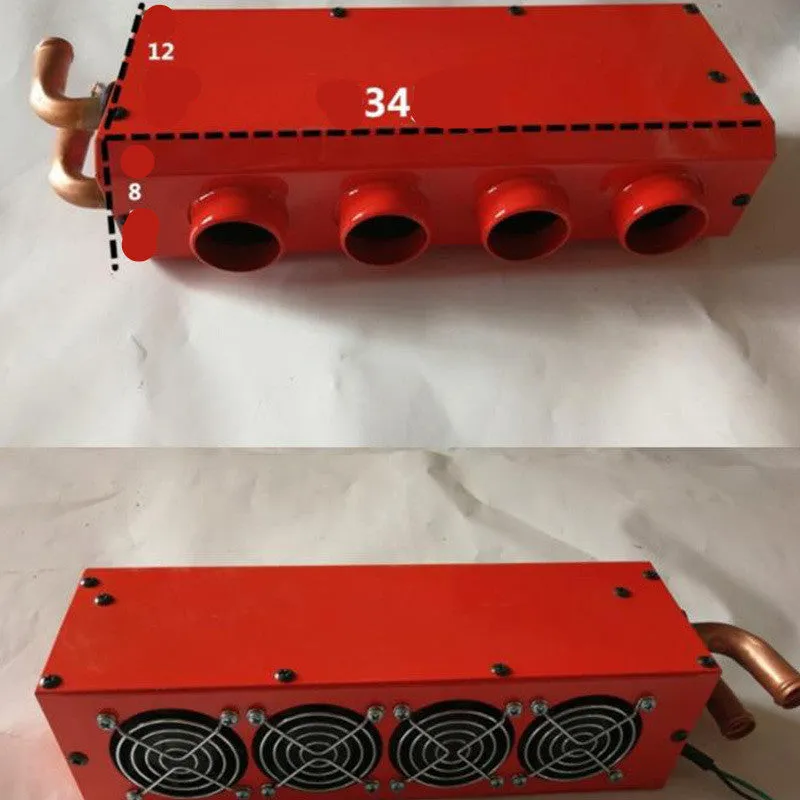
With dimensions of 34 cm in length, 12 cm in width, and 8 cm in height, the heater is engineered to be compact. This size is crucial for fitting it into the often-crowded space of a vehicle's engine compartment alongside the existing radiator, battery, and other components. The unit's two water pipe connection points are designed for this integration, requiring the existing coolant hoses to be cut and connected via supplied three-way rubber pipes to incorporate the heater into the coolant's flow path.
Uses and Placement
The heater serves a dual purpose within the vehicle, addressing both passenger comfort and safety. Its placement and connection are integral to its function, tying it directly to the engine's operation.
Event or Professional Use
For vehicles that see extended use in cold conditions, such as delivery vans, work trucks, or taxis, this auxiliary heater can provide a more consistent and independent heat source. It maintains what is described as a "small cycle" with the radiator, operating without a separate thermostat, which means it can provide warmth as soon as the engine coolant begins to heat up. This can be particularly valuable for professionals who need to keep the cab comfortable throughout the day without relying solely on the vehicle's primary heating system.
Everyday Home Use
For daily drivers and family cars, the heater offers enhanced defrosting capability and quicker cabin warm-up. By delivering hot air directly, it can more rapidly clear ice from the windscreen, improving visibility and safety on cold mornings. It also supplements the main heater, potentially warming the cabin faster and providing a backup source of heat, which is a practical benefit for any motorist facing winter conditions.
Benefits and Buying Value
The value of this product lies in its practical application and the specific way it utilises existing vehicle systems. It is not a standalone heater but an integrated component that enhances a car's built-in capabilities.
Reuse and Low Maintenance
The core benefit is the reuse of waste heat that the engine generates anyway. This makes it an efficient add-on, as it doesn't require significant additional energy to create heat; it simply recovers and redirects energy that would otherwise be dissipated. Once installed and connected to the coolant system filled with anti-freeze, it operates with the same low maintenance as the rest of the cooling circuit, relying on the vehicle's standard fluids and electrical power.
Why Choose This Product
You would choose this car heater if you seek a supplementary heating solution that is directly tied to your vehicle's engine. Its value comes from its specific design: the copper pipe for efficient heat exchange, the dual 12V/24V compatibility for use in different vehicles, and its focused purpose of cab heating and defrosting. It is a functional piece of automotive equipment for those who understand its integration requirements and seek the practical benefits it provides.