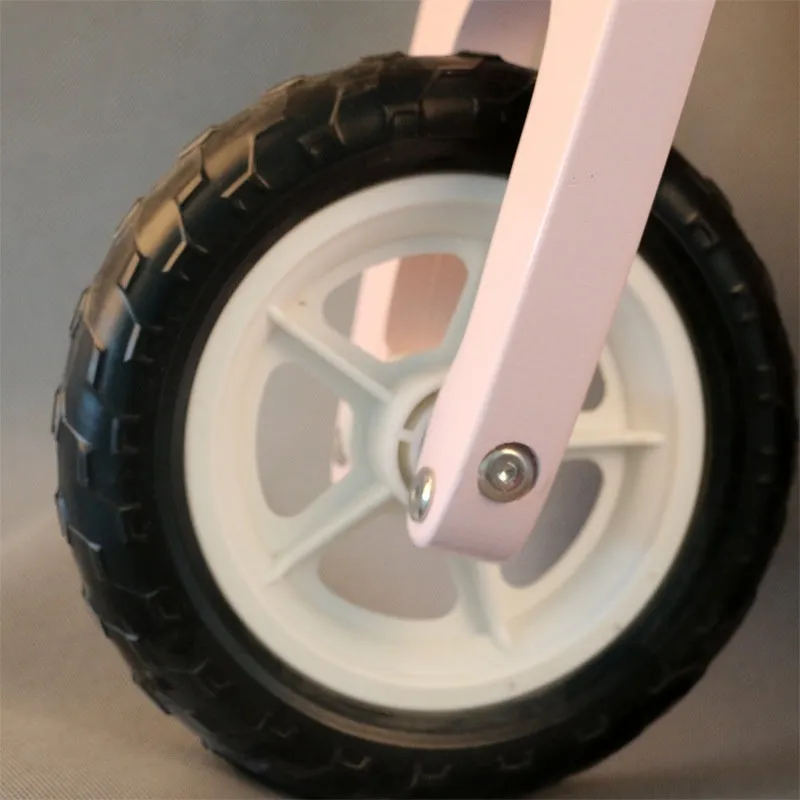
Wooden balance toddler scooter for children aged 1-3 and 3-6 years old, designed for boys and girls learning to ride, 10-inch diameter wheels in pink wood construction, supporting early motor skill development and outdoor play.


Wooden balance toddler scooter for children aged 1-3 and 3-6 years old, designed for boys and girls learning to ride, 10-inch diameter wheels in pink wood construction, supporting early motor skill development and outdoor play.
10-Inch Wooden Toddler Balance Scooter for Boys and Girls Aged 1-6
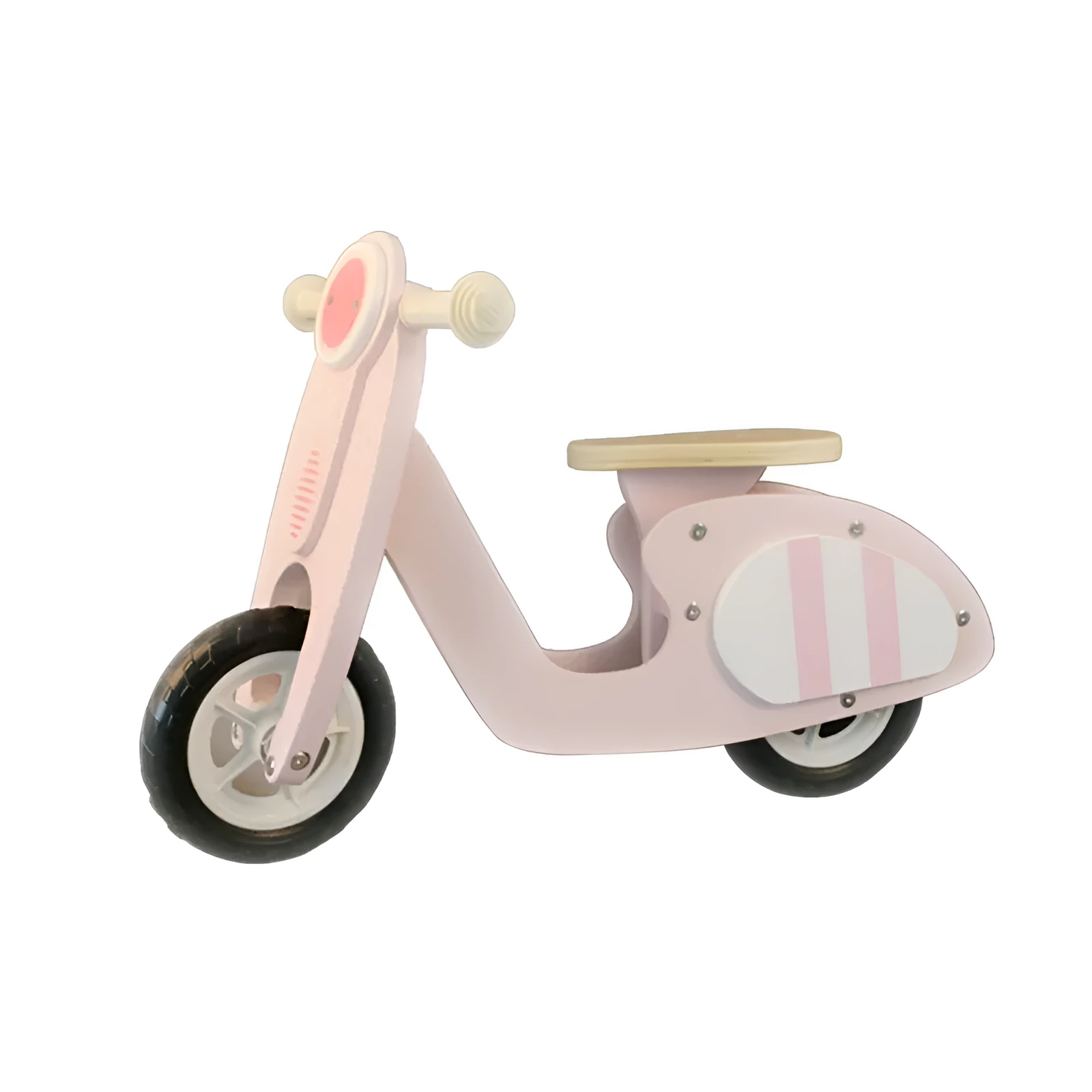
This wooden balance scooter offers a classic introduction to riding for toddlers and young children. Designed without pedals, it encourages children to develop their balance, coordination, and leg strength by pushing themselves along with their feet. The product is specified for two broad age ranges, making it a versatile choice for families: it is suitable for children aged 1-3 years old and also for those aged 3-6 years old. The pink colour and unisex design make it an option for both boys and girls, supporting active outdoor play that contributes to early physical development.
Features and Construction
This scooter is built with a focus on the core elements needed for a child's first riding experience. The construction and sizing are geared towards providing stability and a manageable learning curve for young users.
Material and Build
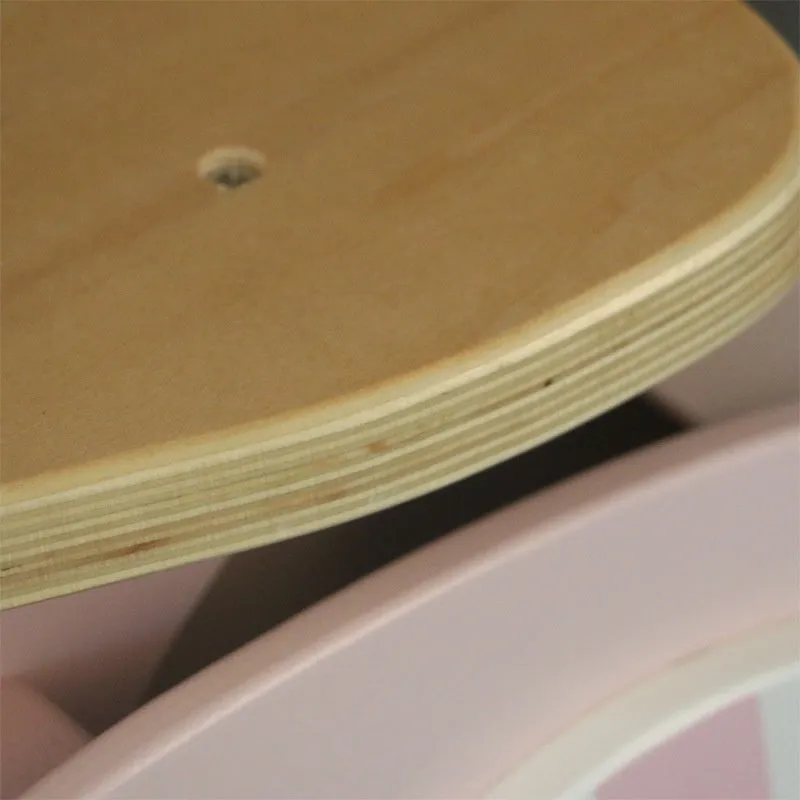
The scooter's frame and key components are made from wood. This material choice provides a solid, traditional feel and offers a different tactile experience compared to plastic scooters. The wooden build contributes to the product's overall sturdiness, aiming to support the weight and activity of a young child as they learn to balance and propel themselves.
Size and Practical Fit
The primary measurable specification provided is the 10-inch wheel diameter. This wheel size is designed to offer a stable roll and help navigate flat surfaces commonly found in gardens, parks, and paved paths. The scooter's sizing is categorised by age rather than specific height, with the manufacturer stating it is applicable for the 1-3 years old and 3-6 years old age groups. This suggests the design accommodates a range of child sizes within these developmental stages.
Uses and Placement
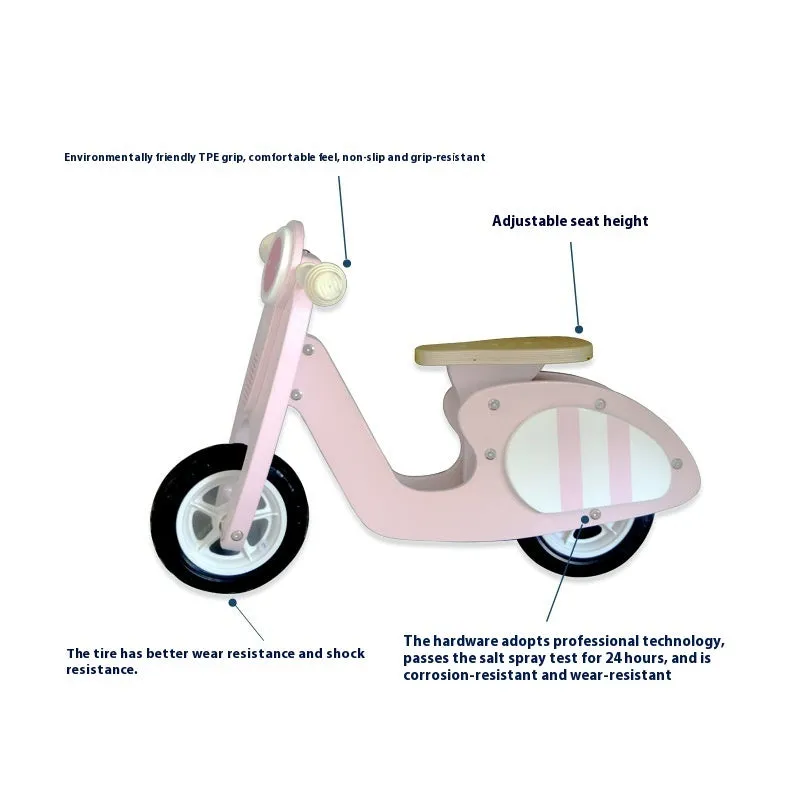
As a balance scooter, this product serves a specific role in a child's play and development. It is intended for controlled environments where a child can safely practice their new skills.
Event or Professional Use
This scooter is primarily a consumer product for home and recreational use. Its design is focused on individual child development and family play rather than institutional or competitive settings. It serves as a tool for building foundational motor skills that are beneficial for later activities, including cycling.
Everyday Home Use
Ideal for use in gardens, on driveways, or during visits to the park, this scooter encourages outdoor physical activity. The balance scooter concept allows toddlers who may be too young for a pedal bike or a traditional kick scooter to engage in independent movement. It provides a fun way for children aged 1 to 6 to explore their mobility and gain confidence on wheels under parental supervision.
Benefits and Buying Value
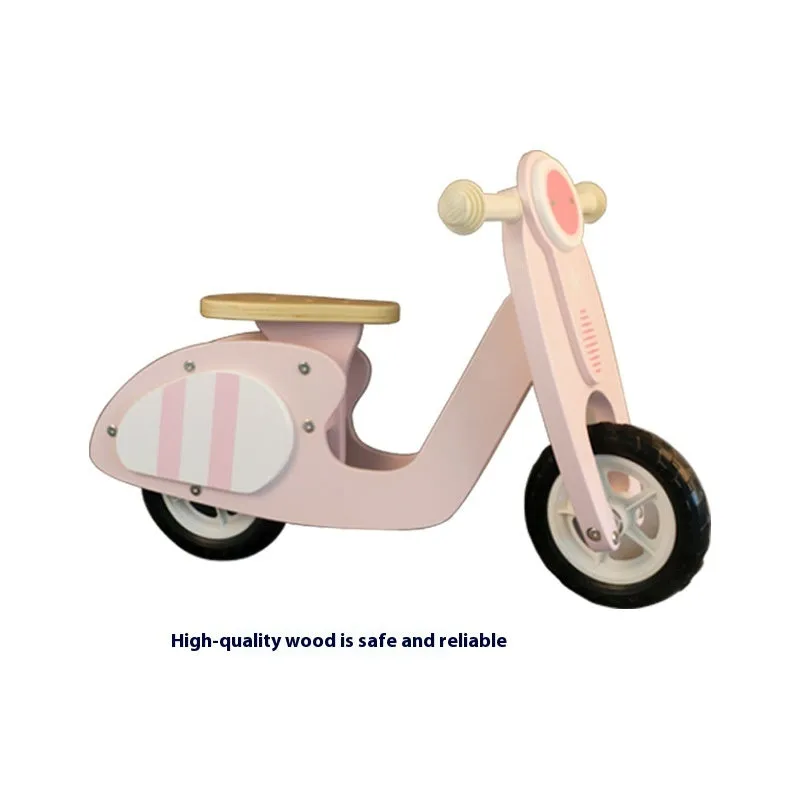
The value of this product lies in its specific design purpose and straightforward construction. It addresses a clear developmental need for young children.
Reuse and Low Maintenance
With its stated suitability for two age brackets (1-3 and 3-6 years), the scooter has the potential to be used by a single child over several years of early development. The wooden construction typically requires minimal maintenance; keeping it clean and stored in a dry place when not in use will help maintain its condition. Its durable build is intended to withstand the typical wear of children's play.
Why Choose This Product
This wooden balance scooter is a considered choice for parents seeking a non-electronic, physically engaging toy that supports developmental milestones. The 10-inch wheels and wooden frame provide a stable, grounded ride for beginners. By opting for a balance scooter over a model with pedals, you are choosing a product that directly targets balance and coordination, which are key precursors to riding a bicycle. The pink colour offers a specific aesthetic choice for this model.