
Portable electric planer flip chip bracket accessory for small electric planer 285mm inverted bracket iron construction electric planer accessory


Portable electric planer flip chip bracket accessory for small electric planer 285mm inverted bracket iron construction electric planer accessory
285mm Iron Flip Chip Bracket: A Stationary Mount for Your Portable Electric Planer
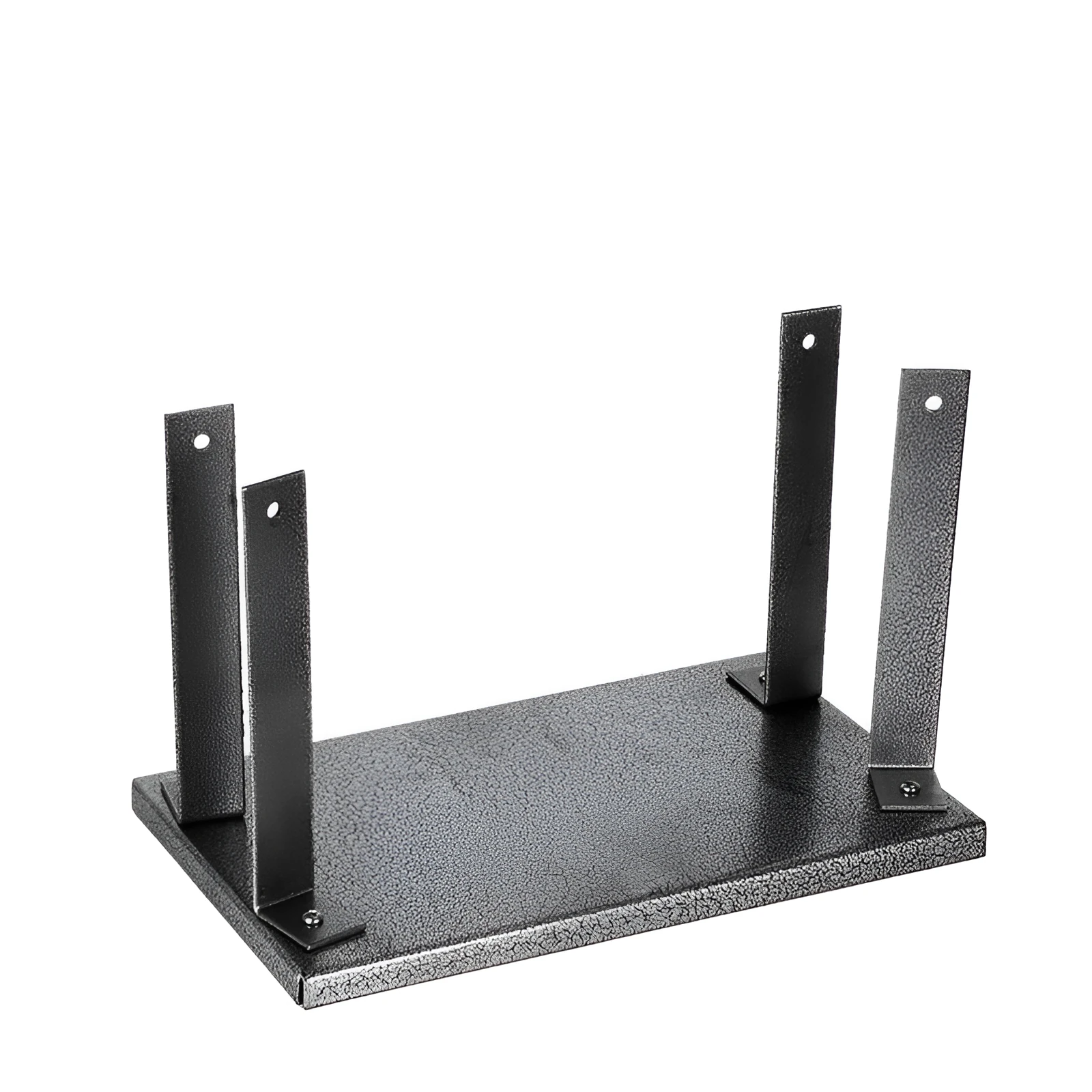
This inverted bracket accessory provides a practical solution for woodworkers and DIY enthusiasts who want the consistency of a stationary planer without investing in a separate, fixed machine. By mounting your portable electric planer onto this 285mm iron bracket, you create a dedicated, stable work station. The bracket's design specifically accommodates smaller electric planer models, making it a space-efficient addition to any garage or workshop. Its primary function is to securely hold your planer inverted, allowing for controlled and repeatable planing passes on workpiece materials fed across the tool.
Features and Construction
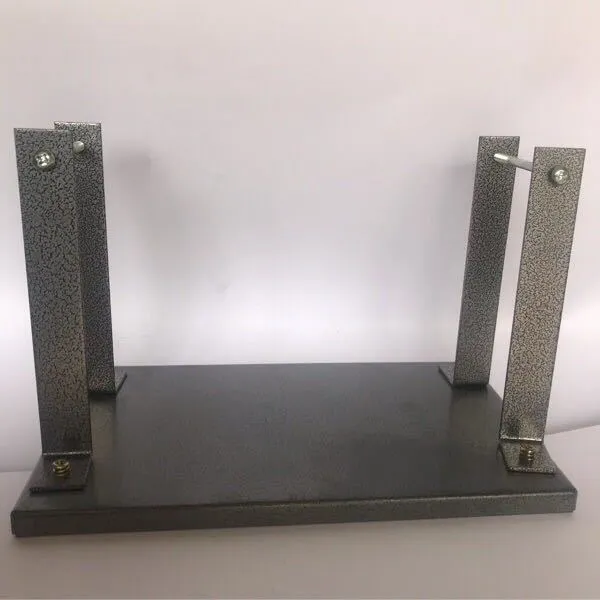
The bracket's design centres on providing a secure and rigid platform. Its construction and dimensions are tailored to support the specific forces and vibrations generated during planing operations, aiming for a stable user experience.
Material and Build
Manufactured from iron, this bracket is built to offer the necessary strength and weight to counterbalance a running electric planer. The material choice provides inherent rigidity, which helps minimise flex and movement during use, contributing to more consistent planing results. The black finish offers a standard, functional appearance suitable for workshop environments.
Size and Practical Fit
With a stated full length of 285mm and overall dimensions of 285mm in length, 170mm in width, and 180mm in height, the bracket defines a compact footprint. These measurements indicate the physical space the occupied bracket will require on your workbench and the size of the planing area it facilitates. The design is explicitly noted as being for small electric planers, ensuring compatibility is focused on appropriately sized tools.
Uses and Placement
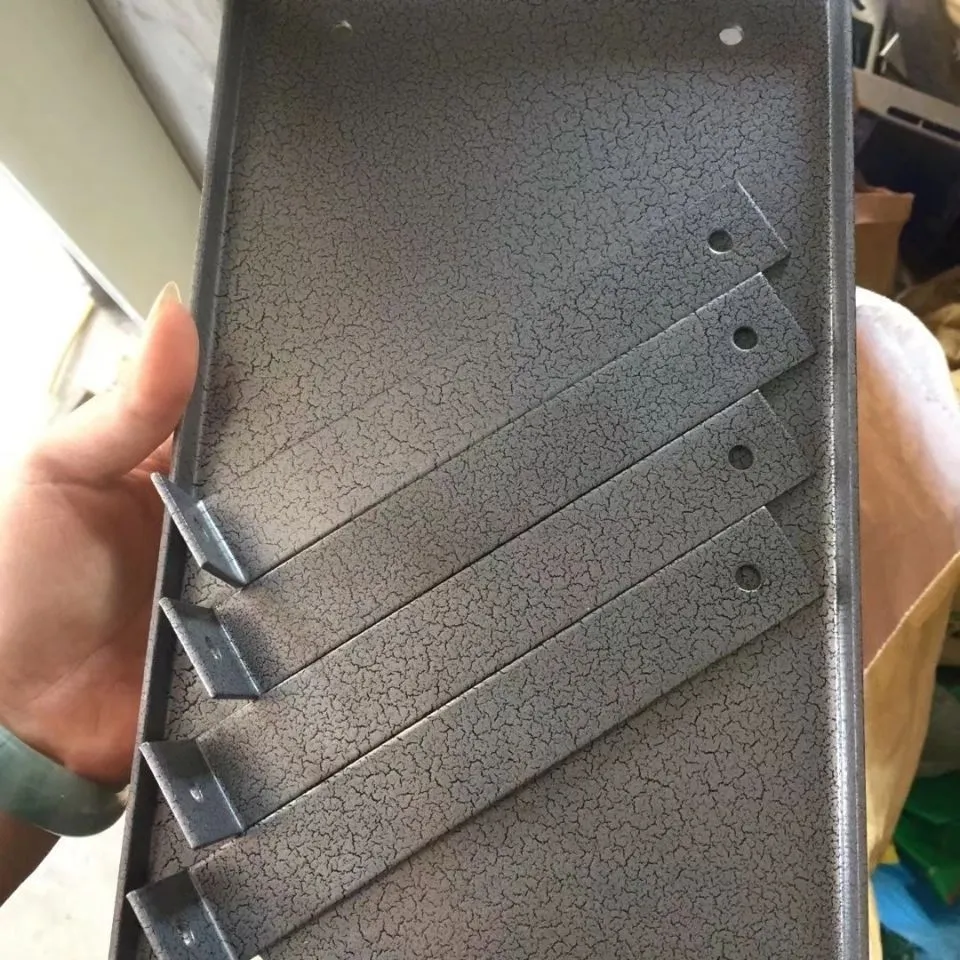
This accessory transforms a handheld power tool into a semi-permanent workshop fixture. Its application is focused on tasks where repeated, uniform planing is more efficiently handled with the tool fixed in place rather than being manually guided.
Event or Professional Use
For professionals or serious hobbyists undertaking batch work, such as preparing multiple pieces of stock to an identical thickness, this bracket increases efficiency. Mounting the planer allows the user to focus on feeding material consistently, which can improve accuracy over hand-planing numerous pieces. It turns a versatile portable tool into a dedicated thicknessing station for small-scale projects.
Everyday Home Use
For the home DIYer, this bracket adds significant functionality to a single power tool investment. It enables more controlled planing for projects like creating feather-edge boards, levelling small table tops, or preparing timber for joinery, tasks that are challenging with a handheld planer alone. The stationary setup also can be safer for certain operations, as both hands are free to manage the workpiece.
Benefits and Buying Value
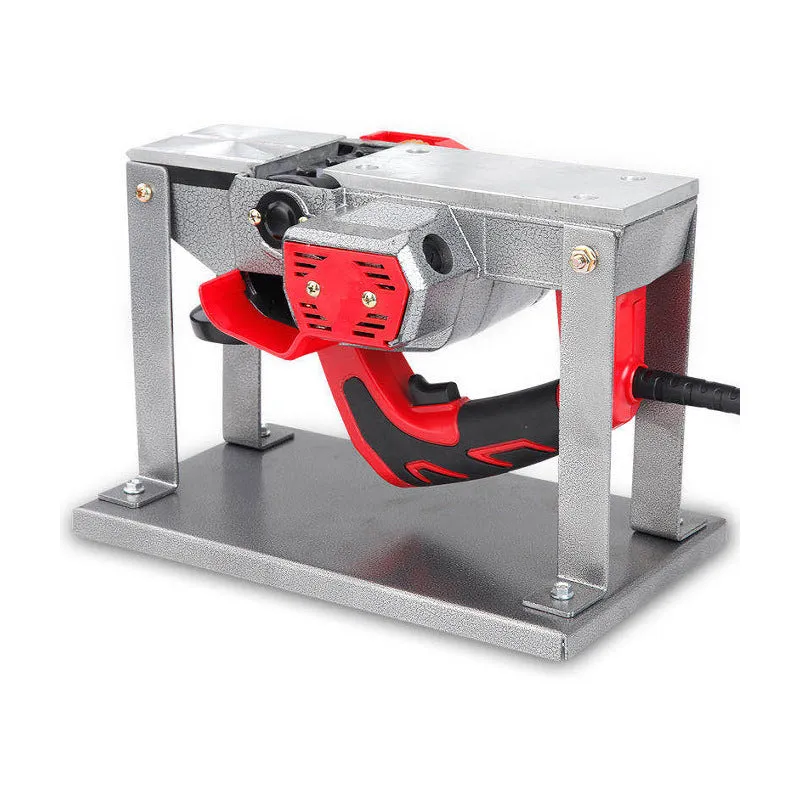
The value of this accessory lies in its ability to extend the utility of an existing tool. It provides a specialised function without the cost and space requirement of a separate, standalone planer or jointer.
Reuse and Low Maintenance
As a simple mechanical bracket, it requires minimal ongoing maintenance—primarily ensuring mounting points remain tight and the iron frame is kept free from excessive rust in damp environments. Its durability stems from the solid iron construction, designed to withstand the operational life of the electric planer it supports. There are no complex electrical components or moving parts within the bracket itself to wear out.
Why Choose This Product
This bracket is a logical choice for owners of small electric planers who regularly need more controlled planing than freehand use allows. Its concrete advantages are its specific 285mm size suited to smaller tools and its robust iron build. It solves the practical problem of tool stability during precision work, offering a cost-effective route to enhanced workshop capability compared to purchasing a separate stationary machine.
