
Oil Control VVT Solenoid Valve Pair for Buick Regal Lacrosse Chevrolet Malibu Engine Control System - Variable Valve Timing Solenoid Replacement Part


Oil Control VVT Solenoid Valve Pair for Buick Regal Lacrosse Chevrolet Malibu Engine Control System - Variable Valve Timing Solenoid Replacement Part
Oil Control VVT Solenoid Valve Pair for Buick Regal Lacrosse and Chevrolet Malibu
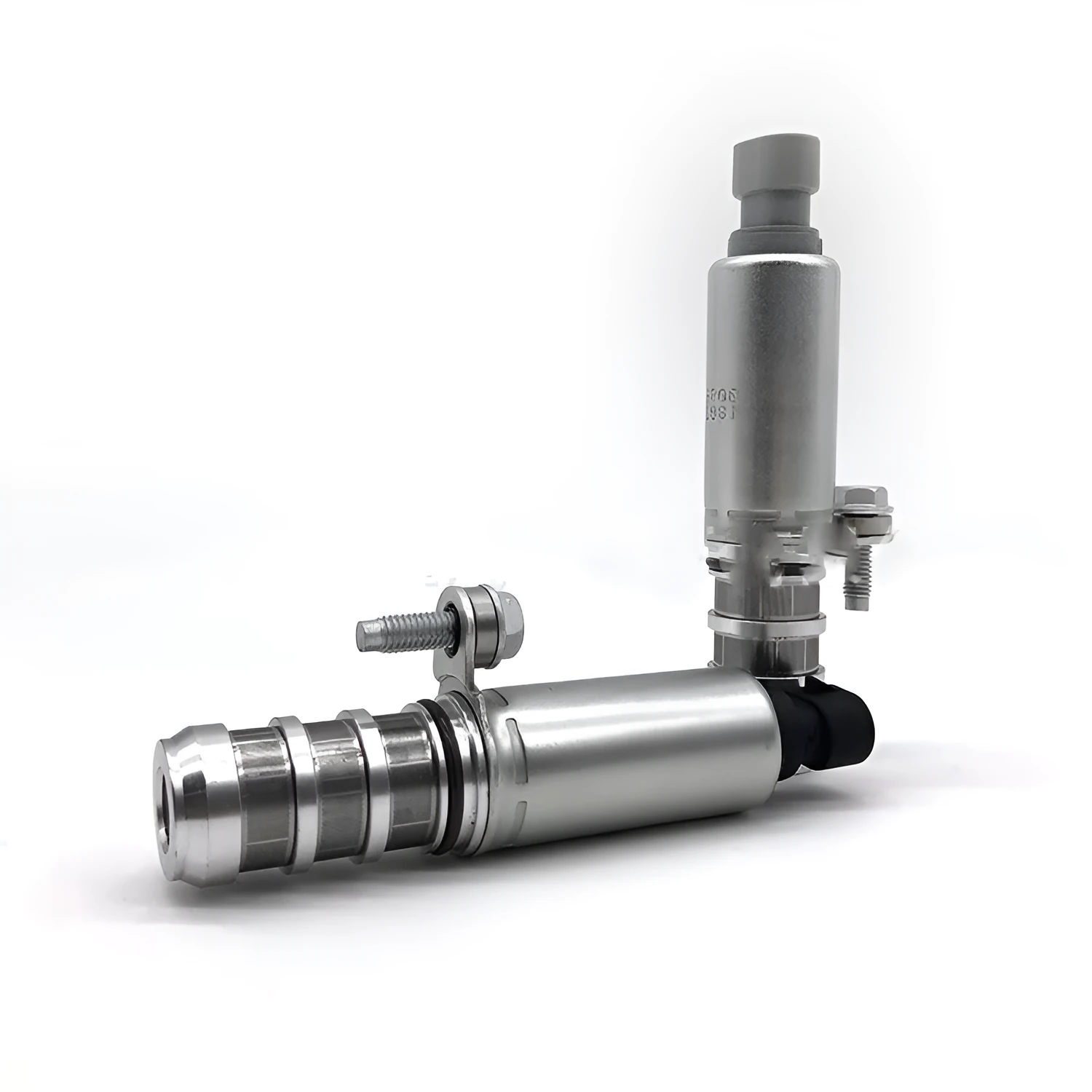
This oil control VVT solenoid valve is engineered to manage the oil pressure critical for the operation of Variable Valve Timing systems in specific General Motors vehicles. It functions as a replacement component for models including the Buick Regal, Buick Lacrosse, and Chevrolet Malibu. The solenoid pair controls the flow of pressurised oil to the VVT actuator, directly influencing valve timing for optimal engine performance, fuel efficiency, and emission control. A malfunctioning solenoid can lead to issues like poor idle, reduced power, or illuminated check engine lights, making this a targeted solution for a specific mechanical fault.
Features and Construction
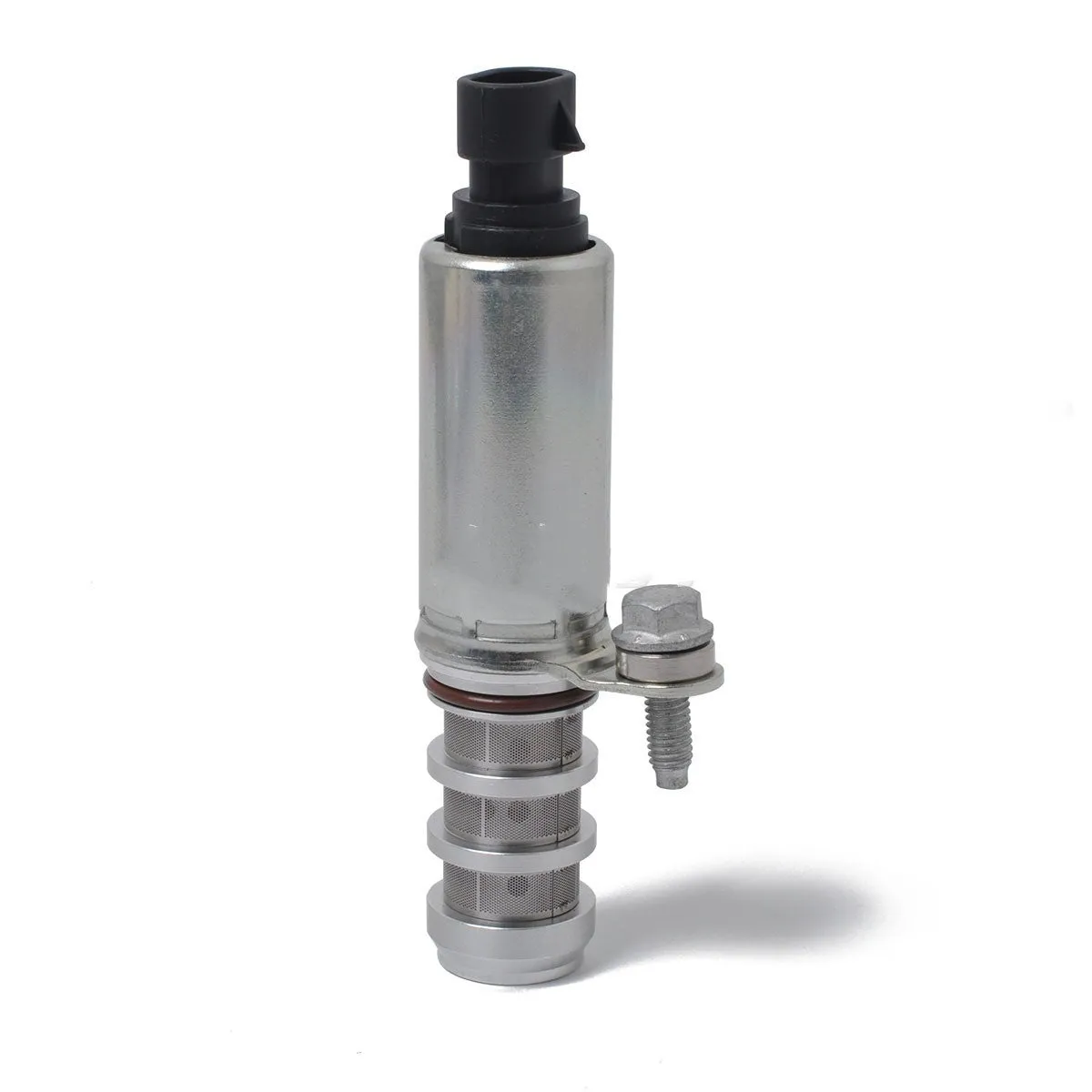
The solenoid valve is supplied as a matched pair, ensuring both sides of the VVT system are addressed simultaneously for balanced operation. Its primary stated function is the control of oil pressure within the engine's lubrication circuit dedicated to the variable valve timing mechanism.
Material and Build
The product is described as a solenoid valve, indicating an electromechanical construction typical for this component type. It incorporates a solenoid coil that, when electrically activated by the engine control unit, moves an internal plunger or spool valve. This action directs or modulates engine oil pressure to the VVT actuator. Specific details regarding the housing material, internal seal composition, or electrical connector type are not provided in the source material.
Size and Practical Fit
The valve is designed as a direct replacement for the original equipment part on the specified vehicle models. Exact physical dimensions, thread sizes, or mounting hole patterns are not listed, so verification against the original removed part or vehicle service documentation is advised prior to purchase to ensure correct fitment.
Uses and Placement

This component is used exclusively within the engine bay of compatible vehicles. It is integrated into the engine's oil gallery network and is typically mounted on or near the cylinder head or timing cover, where it interfaces with the oil supply and the VVT actuator.
Event or Professional Use
For professional mechanics or experienced DIY enthusiasts, this part addresses a common failure point in modern GM engines. It is a repair item used to resolve specific diagnostic trouble codes related to VVT system performance, such as those indicating sluggish response or circuit faults in the solenoid control. Replacing a faulty pair can restore factory-specified valve timing and engine operation.
Everyday Home Use
For the home mechanic with the requisite tools and knowledge for engine component replacement, this solenoid pair offers a way to tackle a defined mechanical problem on their Buick or Chevrolet vehicle. Its installation is a targeted repair procedure, not a modification or upgrade, aimed at returning the vehicle to its original operating condition.
Benefits and Buying Value

The value of this product lies in its specific application and function. It is not a universal part but a defined solution for a particular range of vehicles and a specific system within them.
Reuse and Low Maintenance
As a solid-state electromechanical component, the solenoid valve itself requires no routine maintenance once installed. Its value is realised through the restoration of the vehicle's VVT system function, which contributes to sustained engine efficiency. The product is a replacement item, not a consumable designed for reuse.
Why Choose This Product
This product is chosen for its stated, direct compatibility with Buick Regal, Buick Lacrosse, and Chevrolet Malibu models when an oil control VVT solenoid replacement is required. It provides a matched pair, which is often necessary as these components can wear or fail at similar rates. The decision is based on vehicle make, model, and the diagnosed need for this specific engine management component, rather than subjective features.